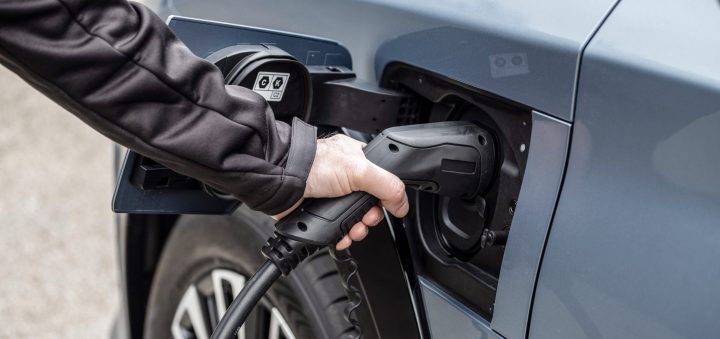
Electric vehicles can play a major role in reducing fleet emissions, but the success of electrification is rarely decided by the vehicle itself. In most cases, it comes down to how effectively charging infrastructure is planned and managed.
For fleets across the country, depot charging is often where long-term operational performance and cost control are determined. Done well, it ensures vehicles are ready for every shift while reducing reliance on higher cost public charging.
Industry demand for depot electrification remains strong, and it spans the economy. Analysis obtained through a Freedom of Information request by Drax Electric Vehicles found that 284 applications were submitted over the lifetime of the Depot Charging Scheme’s pilot, seeking access to up to £1m in charging infrastructure funding.
Nearly three in four (72%) came from private sector organisations, with local authorities accounting for a further one in five (21%). That breadth of demand signals that depot electrification is a priority across both commercial and public sector fleets.
The government has responded: a new £170m multi-year programme launched in March 2026 and runs through to 2030, with the first application window open until 30 June 2026 covering 70% of charge point and civil costs.
With meaningful funding available and upfront investment still significant, getting the foundations right matters.
