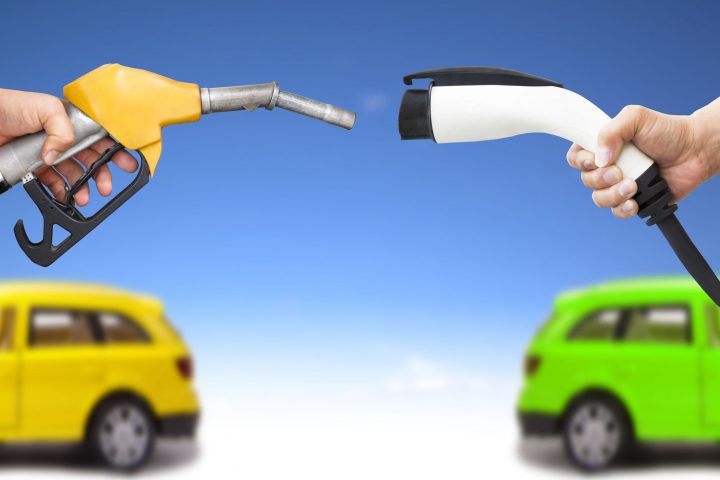
Adjusting to the end of the petrol and diesel era will be the biggest challenge facing fleets during the next three years, according to new research.
The 2026 Arval Fleet and Mobility Observatory reveals 38% of businesses surveyed believe adapting to restrictive public policies on use of internal combustion engined (ICE) vehicles is an issue – up from 32% last year.
John Peters, Head of Arval Mobility Observatory in the UK, said, “As the UK’s 2030 ICE production end date for cars looms, fleets are becoming more and more aware of its implications, as well as the growing effect of the Zero Emissions Vehicle Mandate. It’s no real surprise to see this area rising up the fleet agenda and it may well further grow in importance in future research.”
Asking fleets to prioritise the challenges they face is a longstanding question in the Arval Fleet and Mobility Observatory Barometer and 2026’s responses contain more significant degrees of change than usual, with a series of quite dramatic shifts.
Supporting that view, several other challenges are holding steady. Adapting to low emissions zones is almost unchanged at 33% now against 32% in 2025, managing longer vehicle delivery times is relatively static at 23% compared to 25%, and implementing other mobility solutions is 9% from 12%.
John said: “None of these are becoming less important to fleet managers but also, they’re not developing into bigger concerns. There is a sense of increased stability.”
Finally, it’s interesting to note from the international comparison in the report, similar shifts in priority have been seen across countries with comparable fleet sectors, with 14 European countries placing restrictive ICE practices in first or second place.
John concluded, “As with other major fleet developments in Arval Fleet and Mobility Observatory Barometer, trends across borders appear to be highly consistent.”
