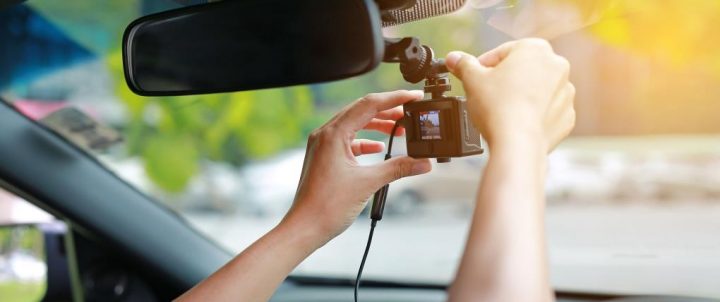
As car technology evolves, recent research reveals that 34% of drivers now own a dash cam – with 37% having already used footage to clear their name after an accident.
Vertu have also noticed that consumer demand for dash cams is accelerating rapidly. Searches for ‘wireless dash cam for cars’ has surged 181% year-on-year, with more drivers interested in these tech additions.
To help motorists understand the benefits of this technology, Matt Salisbury, Senior PR lead at Vertu, breaks down how dash cam footage can impact any car insurance claims, “A dash cam can be one of the strongest pieces of evidence available following a collision, because it provides an impartial account of exactly what happened.
“Rather than relying solely on conflicting statements from those involved, insurers can use the footage to build a much clearer picture of the incident.
“The most valuable recordings don’t just capture the moment of impact. They also show what happened in the seconds leading up to the collision and immediately afterwards.
“This context helps insurers assess factors they need to act upon claims, such as road positioning, traffic signals, weather conditions, vehicle speeds and the actions of everyone involved.”
He added, “Good-quality footage can also identify the make, model and registration of the other vehicle, confirm where the collision happened and even support witness accounts, where there are conflicting versions of events.
“It’s extremely important to keep the original recording. Edited clips or videos uploaded to social media often lose important information such as the date, time and GPS location, while trimming footage may remove crucial context that supports your version of events.
“If you’re involved in an accident, let your insurer know as soon as you report the claim that you have dash cam footage available.”
Vertu reveals the five dash cam mistakes that could weaken your claim:
- Editing or trimming the footage before sending it to your insurer
Many drivers believe sending a short clip of the collision is all an insurer require. However, insurers will usually ask for the original, unedited file.
The original recording contains important metadata, including the exact date and time of the incident, GPS location, and continuous footage before and after the collision. Editing, compressing or exporting the video can remove this information and make it more difficult for claims handlers to verify that the footage isn’t fraudulent.
Just as importantly, the moments leading up to the collision often provide the strongest evidence of liability.
They may show another driver failing to indicate, braking suddenly, running a red light, speeding or drifting between lanes. The footage immediately afterwards can also capture vehicle positions, witness details, road signs and the behaviour of everyone involved.
Providing the complete recording allows insurers to assess the incident in full rather than relying on a short clip that lacks context.
- Waiting too long to save your footage
Many drivers don’t realise that most dash cams record on a continuous loop. Once the memory card becomes full, older recordings are automatically overwritten, sometimes within a matter of hours depending on the recording resolution and storage capacity.
If your dash cam hasn’t automatically detected the impact, the footage may disappear before you’ve even contacted your insurer.
As soon as it is safe to do so after a collision, manually lock the recording if your camera has this feature, remove the memory card if necessary and create a backup on another device or cloud storage.
Preserving the original recording immediately reduces the risk of losing one of the strongest pieces of evidence available.
- Failing to check your camera is recording correctly
Simply owning a dash cam doesn’t guarantee useful evidence.
A poorly positioned camera may miss lane markings, traffic lights, junctions or vehicle registrations altogether. Dirty windscreens, glare from low sunlight or incorrect camera angles can also reduce image quality.
Drivers should also check the camera’s date, time and time zone settings regularly. An incorrect timestamp won’t necessarily invalidate footage, but it can create unnecessary questions during the claims process.
It’s also worth checking your memory card regularly. Dash cam manufacturers recommend replacing memory cards periodically because repeated overwriting can eventually cause them to fail without warning.
- Not submitting footage because you think you were partly responsible
Some drivers choose not to mention dash cam footage because they worry it could harm their claim if they made a mistake.
However, withholding relevant evidence is rarely beneficial and may worsen circumstances for the driver perceived to be in the wrong.
Motor insurers assess liability using all available information, including witness statements, photographs, police reports, and dash cam footage. What’s more, many road traffic collisions involve shared liability rather than one driver being entirely responsible.
Providing the footage from the beginning of the claim demonstrates transparency and allows insurers to establish exactly what happened.
Even where you are found to be partially responsible, the recording may still reduce your level of liability by showing the actions of the other driver or confirming external factors such as road conditions or visibility.
- Posting the footage on social media before your claim is settled
It can be tempting to share dash cam footage online, especially if the collision clearly appears to show the other driver was at fault.
However, doing so before your insurance claim has been resolved can complicate the claims process.
Comments on social media may influence witness accounts, prompt disputes from the other party or their insurer, and result in footage being taken out of context.
Publicly available clips may also be scrutinised alongside any statements you have made, creating unnecessary complications if details differ or additional evidence later emerges.
Instead, keep the footage private and provide the original recording directly to your insurer when reporting the claim. Once the claim has been concluded, you can decide whether you still wish to share the footage publicly.
