Choosing car insurance can feel more complicated than it should but cutting corners could leave you seriously out of pocket.
Third-party, fire and theft and fully comprehensive are the main options, and it’s easy to assume that “comprehensive” means you’re covered for pretty much everything.
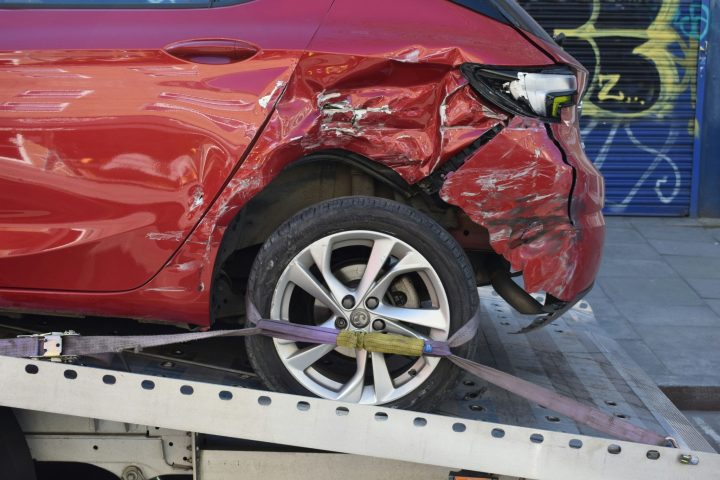
New YouGov research commissioned by GAP insurance provider ALA Insurance found that half (50%) of UK drivers who received an insurance payout after writing off their car couldn’t afford a suitable replacement vehicle with the settlement alone.
For many drivers, that could leave them facing an awkward financial gap, with the payout they receive not quite covering the cost of their next car, particularly with newer models. In fact, 52% say writing off their car would cause them financial hardship.
Car insurance expert and founder of ALA Insurance, Simon England explains what drivers may not realise about the value placed on their car after a write-off.
“Comprehensive insurance is essential, but it doesn’t mean you’re covered for the full cost of replacing your car. That can leave people thousands of pounds short, forcing them to find the extra money or settle for a cheaper car, even if the accident wasn’t their fault.”
“The problem is that market value is what’s used to calculate a comprehensive payout, and more often than not, that won’t be enough to buy the same or similar-spec car,” he adds.
The findings also showed that 34% of drivers have written off a car, while 60% have never heard of GAP insurance, which can cover the shortfall between a car’s insurance payout and its original purchase price or replacement cost.
“An unexpected shortfall can have a very real impact,” Simon notes. “We want drivers to better understand what their comprehensive insurance may pay out after a total loss before it happens, and the options available to help protect themselves against that financial gap.”
