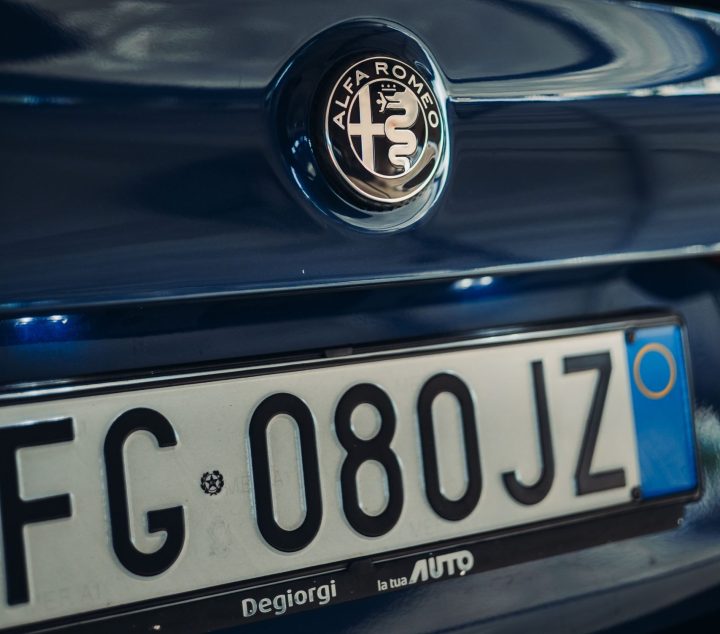
Italy can learn from Britain’s £3bn private plate scheme, says expert.
Italy’s recent decision to let motorists personalise their number plates follows a path the UK has been on for decades, according to Mark Trimbee, CEO of UK private number plate specialist Regtransfers, who expects strong demand from day one if Italy plays their cards right.
Prime Minister Giorgia Meloni announced the measure on 28 October while presenting Italy’s 2027 budget, telling reporters that Italians’ creativity could come into its own. Under the reformed Highway Code, a personalised pair of car plates will cost €600 (€500 for production plus a €100 surcharge to the Ministry of Infrastructure and Transport), and a motorbike plate €360. A standard Italian car plate costs around €42.
Italian drivers will have to wait, however. The rules are not expected to take effect until 1 January 2028, and personalised plates must keep the standard seven-character format of two letters, three numbers and two letters (AA 000 AA), with the letters I, O, Q and U excluded. Unlike in the UK, the plate will stay with the car rather than the owner.
The UK shows how big the Italian market could become. According to the DVLA’s latest annual report, personalised registration sales raised more than £163m for HM Treasury and the Department for Transport in 2025-26, one of the scheme’s strongest years, while cherished transfers between vehicles brought in a further £127m or so. That takes the total to around £290m in a single year, and the scheme has now generated £3bn in net income since it launched in 1989.
At the top end, scarcity drives value. The two-character registration 1 F sold at RM Sotheby’s London auction in November 2025 for £926,000 including fees, a UK auction record, having previously changed hands in 2005 for £144,500.
The UK also offers a template for keeping rude plates off the road. Ahead of each March and September release, the DVLA withholds combinations that could cause offence: 400+ were withheld from the ’26’ series this spring, and more than 500 from the ’76’ series in September.
Mark Trimbee, CEO of Regtransfers, said, “At around €600, Italy is pricing personalised plates as an affordable treat rather than a luxury. But in the UK, we’ve seen that the real value comes from scarcity: the shortest, most meaningful combinations can sell for close to £1m, far more than their original price.
“Because Italian plates stay with the car, that value won’t work in quite the same way, but a great plate could still help a car stand out when it comes to selling. Drivers who move early will get first pick of the best combinations, and if Italy ever allows plates to move between vehicles, as the UK does, they could find they’re sitting on something valuable.
“Italians have never been short on style, so I’m not surprised the Prime Minister expects creativity. The challenge will be the format. UK drivers have had to get inventive, with numbers standing in for letters, and if Italy keeps this fairly strict structure, expect the same clever workarounds.”
He concluded, “The worry about rude plates is understandable, but it’s a solved problem. The DVLA bans hundreds of combinations every year before they ever reach the road. Italy will need a similar vetting process, but the overwhelming majority of buyers just want their name, initials or a nod to something they love.
“My advice to any Italian driver tempted to personalise is the same we give UK buyers: think about how it will read from a distance, check it can’t be misread, and choose something you’ll still be happy with in ten years.”
