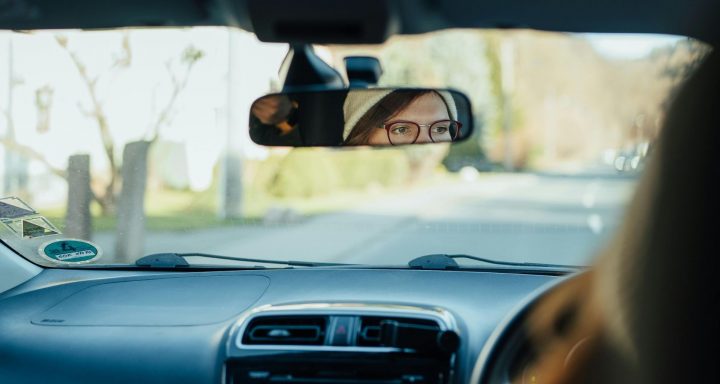
New data has revealed that nearly 33,000 British motorists have had their driving licences revoked or applications refused due to failing to meet legal eyesight standards over the last four years.
The figures, obtained via FOI requests, come as the government enters the final weeks of a consultation on mandatory eyesight testing for drivers over 70.
While those aged 70–79 accounted for the highest number of revocations, more than 6,500 drivers under the age of 55 also lost their licences, highlighting that vision deterioration is not just a concern for the elderly.
Under current 2026 regulations, police have the authority to carry out immediate roadside eyesight tests. Drivers who fail the ’20-metre’ number plate test can have their licences revoked on the spot via a fast-track notification to the DVLA.
Simon England, expert and founder at ALA Insurance, warns that many drivers may be unknowingly operating vehicles with poor vision due to the gradual nature of eye health decline.
“Losing your licence is life-changing, but the safety risk of driving with impaired vision is even more severe,” says Simon. “The difficulty is that eyesight often deteriorates so slowly that we don’t notice the change in our day-to-day lives. By the time you realise you’re struggling to read a road sign, you may have already been driving below the legal limit for some time.”
Driving with uncorrected defective vision is a serious criminal offence that carries a fine of up to £1,000, three penalty points, and the potential for immediate, on-the-spot licence revocation by the police. Beyond the initial fine, being involved in an accident while failing to meet the legal eyesight standards can lead to far more severe charges like Dangerous Driving, which may result in imprisonment.
To help motorists stay safe and compliant, Simon has identified the key red flags that suggest it’s time for an immediate eye test:
Signs Your Vision May Be Putting Your Licence at Risk
-
Squinting: if you find yourself squinting to read road signs or street names that you used to see clearly, your distance vision has likely dropped below the required standard.
-
Night Blindness & Glare: Difficulty driving at night, or feeling unusually dazzled by oncoming headlights, can be an early sign of cataracts or other underlying conditions that affect how your eyes process light.
-
Frequent Headaches: Struggling to focus on the road for long periods can cause significant eye strain, leading to fatigue or headaches after short journeys.
-
Difficulty Reading Number Plates: Under UK law, you must be able to read a standard vehicle number plate from 20 metres away. If you find yourself needing to be much closer to be certain of the characters, you are likely failing the legal roadside test.
-
Double Vision: Seeing halo-like glows around lights or experiencing double vision (even slightly) can severely impact your depth perception and reaction times.
“We recommend all drivers, regardless of age, book a professional eye test at least every two years,” Simon adds. “In the eyes of the law, ‘I didn’t realise’ is not a valid defense. Protecting your vision is the simplest way to protect your licence and, more importantly, the safety of everyone on the road.”
