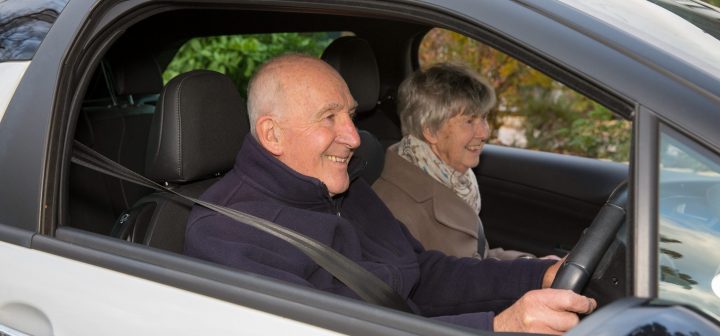
With the government proposing changes to road safety legislation that could impact those aged 70 and over, Uswitch car insurance experts recently surveyed motorists on their opinions towards older drivers, including whether they should be required to retake their test.
The research revealed that six in 10 (61%) motorists believe senior drivers should retake their practical test when they reach a certain age. Support for mandatory retesting is strongest among those aged 25 to 34, with nearly nine in 10 (88%) in favour, while under a third (31%) of those aged 65 and above agree.
In terms of what age reassessment should occur, 70-74 was the most common response, chosen by almost two fifths (39%) of those who support it and 9 in ten (90%) also believe retesting should be ongoing, with nearly half (48%) saying it should take place every two to three years.
Sight issues were highlighted as a key justification for reassessment. The government recently proposed introducing mandatory eyesight testing for drivers aged 70 and at every subsequent renewal – a measure that over four in five (83%) motorists would support.
With modern car technology advancements also being flagged as a reason to retest, Uswitch examined the perspective of drivers over 60.
Findings revealed that seven in 10 (70%) think modern cars have too many tech features, causing confusion. Over a third (36%) also shared that they don’t feel confident using these features.
Additionally, if drivers in this age group were thinking about buying a new car, almost one in five (19%) would consider buying an older model in order to avoid advanced tech features, while nearly one in 10 (9%) would delay or skip buying a new car altogether.
Uswitch insurances expert, Leoni Moninska, shares tips on driving safety as you get older:
-
“Declare medical conditions to the DVLA (or DVA): Regardless of your age it’s a legal requirement to declare certain medical conditions to the DVLA, or DVA if you live in Northern Ireland, such as diabetes, heart conditions, epilepsy and strokes[3]. If you fail to inform UK motoring agencies, you risk a fine and prosecution. You should also inform your insurer of any conditions that impact your driving to avoid invalidating your claims.
-
“Recognise the signs to reassess: If you haven’t received professional advice that you should stop driving, it’s your responsibility to assess your fitness to continue. Your biggest priority should be safety and feeling comfortable and confident behind the wheel. If you’ve had close calls, accidents, get lost frequently, or notice your reaction times deteriorating, it may be a sign to stop driving. You could also consider taking refresher lessons or an experienced driver assessment, designed to boost confidence and reinforce safety.
-
“Make your vehicle comfortable: There are purchasable aids on offer to help make the driving experience more comfortable. Accessories like seat belt reachers, swivel cushions and car support handles can make getting in and out of the car easier. Others make sitting for long periods more manageable, like tailored cushions, neck and back supports. If you find particular aspects of driving challenging, for example due to limited grip or flexibility, specific devices may be available to support, so it’s worth researching online.”
