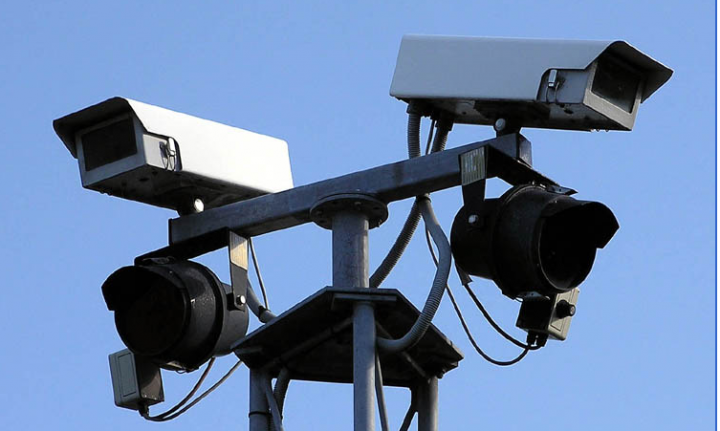
The Consumers’ Association Which? magazine is highlighting inaccurate and illegal ANPR cameras used to charge penalty fines on innocent drivers.
Automatic Number Plate Recognition cameras are increasingly used in car parks, petrol stations and on the roads more generally to monitor wrongdoing.
But these cameras aren’t always reliable.
Even at an estimated accuracy rate of around 97% – as cited by Fraser Sampson, a former Home Office biometrics and surveillance camera commissioner – that’s more than two million inaccurate reads per day, said Which?
And these inaccurate reads all too often result in unfair Parking Charge Notices, debt-collection threats and customer service headaches for innocent motorists.
For drivers who regularly visit the same car park in a short space of time “double dipping” is one of the most common ANPR-related gripes.
This occurs when you visit a car park on two separate occasions, but the ANPR cameras don’t record your first exit or second entrance onto the site. Drivers who fall victim to this will likely be issued a PCN for overstaying.
Which? senior researcher James Aitchison experienced this last year, receiving two erroneous PCNs within three months. Both were issued after he had dropped off his partner at a train station on two subsequent days.
‘It was the result of double dipping, as the camera didn’t register me leaving the car park on one day or entering the car park the following day,’ James explained.
He challenged both PCNs using the free Which? letter template to contest a parking fine and was successful.
But the onus was on James to provide evidence that he hadn’t stayed overnight, rather than on the parking firm to prove he had.
Badly installed cameras are part of the problem. If cameras aren’t set up properly – perhaps they’re installed in a high-up position or are angled downward – it can lead to misreadings.
Incorrect PCNs may also be issued if a driver’s numberplates are masked by the car in front or detected on a nearby road which is not private land.
Licence plate fraud, in which a car’s number plates are cloned to avoid ANPR detection, is also leading to unfair fines.
These rogue drivers might then overstay in car parks, fill up with petrol without paying or drive fee-free through congestion zones.
The number of privately issued parking fines continues to rise. These fines often feel disproportionate and unfair.
The government is introducing a new Private Parking Code of Practice, which will replace the industry’s self-set code.
It first proposed this Code in February 2022, but it was withdrawn later that year after the industry issued legal proceedings against proposals to change maximum fines and ban additional fees.
In September 2025, the government launched a consultation on the Code. Which? responded, calling for tougher measures to be included to curb unfair PCNs. Some of these measures include standardised signage across car parks, a ban on debt recovery fees and an independent single appeals service to improve the appeals process.
We also want a ban on parking charges issued to motorists who pay for their stay in full before leaving an ANPR car park. This means if you experience delays making your payment, beyond the five-minute grace period typically offered, Which? believes you should not receive a PCN.
