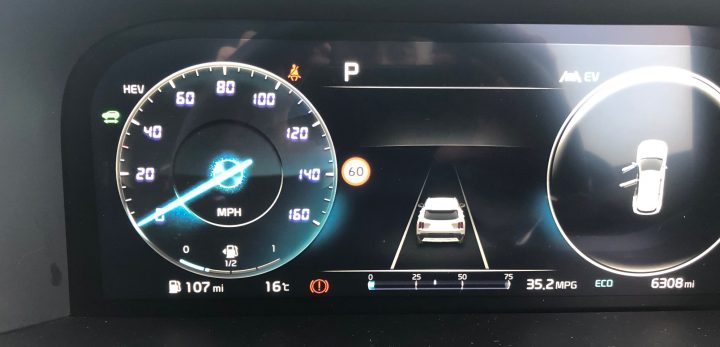
New analysis from vehicle history platform carVertical shows electric models are now the most commonly clocked cars in the UK, with 3% of those checked showing evidence of mileage tampering.
That puts EVs ahead of diesel cars (2.8%), petrol cars (2.5%) and hybrids (2%) and comes at a time when many households are looking for ways to cut motoring costs by switching to an EV.
The data shows some used EV brands may carry a particularly high risk. Among electric cars checked by carVertical in the UK, Kia had the highest share with mileage discrepancies extending to (13.6%) or one-in-eight models, followed by Nissan (12.4%), Renault (4%), Audi (2.7%) and Volkswagen (1.8%).
In the hybrid market, Kia again topped the list (11%), ahead of Volvo (4.8%), Mercedes-Benz (2.8%), Lexus (2.3%) and Toyota (1.8%).
With uncertainty around global oil markets and fuel prices piling extra pressure on drivers, more drivers are expected to consider EVs as they look for ways to cut everyday motoring costs.
And with the Government planning to introduce a pence per mile charge on EVs and Hybrids next year it’s likely these clocking cases will rise as drivers move to reduce the indicated mileage and therefore the amount they have to pay.
For buyers hoping a used EV will offer relief at the charger compared with the forecourt, getting stung by a clocked car could prove a hugely expensive mistake.
Mileage fraud can make a car appear newer, less worn, and far better value than it really is, meaning buyers risk overpaying by thousands of pounds for a vehicle that may need more maintenance than expected and, in the case of EVs, could also have suffered more battery wear than advertised.
That is why drivers should leave no car unchecked before committing to a purchase, and compare the history, mileage and running costs of several vehicles rather than taking one advert at face value.
While electric cars were the most likely to have been clocked, diesel cars saw the biggest average rollback, with mileage cut by around 35,000 miles on average. Petrol cars had an average rollback of around 28,000 miles, hybrids around 25,000 miles, and EVs around 15,000 miles.
Matas Buzelis, motoring expert at vehicle history platform carVertical, said, “Used EVs can look like an obvious way for drivers to protect themselves when petrol and diesel prices are unpredictable, but buyers need to be careful not to swap one financial headache for another.
“A clocked car can seem like a bargain on the surface, while hiding a much harder life underneath. That matters in any vehicle, but with electric cars especially, higher real mileage can mean more wear, more questions over long-term battery health and a much bigger risk of overpaying.
“Many people still assume newer cars and electric cars are too advanced to be tampered with, but that simply is not the case. Fraudsters follow demand, and as more drivers shop the used EV market, those cars become a more attractive target.”
He added,“Buying a used EV should not be a gamble. The safest approach is to compare several cars side by side and leave no car unchecked during the shortlisting process. Looking at more than one vehicle history report makes it far easier to spot what stacks up on mileage, condition and value and what doesn’t.
“Mileage is not always as fixed as drivers might expect in an EV. While these cars rely on digital systems, the data can still be altered using specialist odometer tools to access onboard electronics or replace key components, meaning the reading on the dashboard does not always tell the full story.
“In some cases, inconsistencies between systems, service records or battery performance can point to a car that has covered far more miles than advertised.
“Buyers should not rely on an advert, the dashboard reading or a seller’s word alone. Check the vehicle’s history, compare multiple cars and verify every detail before buying. Spending a little time checking a vehicle properly can help save motorists from a very expensive mistake.”
