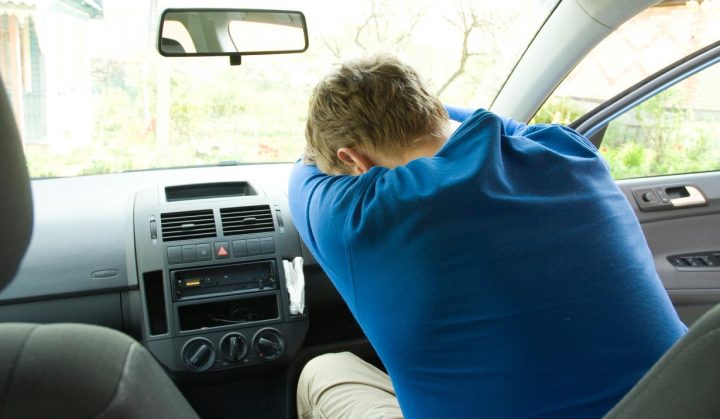
Many of us find comfort in starting the day with a cup of tea or coffee, however research from MoneySuperMarket has revealed that drivers’ drink habits could increase the risk of a caffeine crash.
A ‘caffeine crash’ is a known side effect of drinking too much caffeine, commonly described as a sudden drop in energy, mood and focus when the effects of caffeine wear off, as explained by BodyBio.
With MoneySuperMarket’s study revealing that nearly one in five (19%) drivers have experienced a caffeine crash whilst driving, the car insurance experts are reminding drivers about the signs of a caffeine crash to look out for.
Pharmacist and owner of Practice with Confidence, Deborah Grayson, who MoneySuperMarket partnered with for the research, went on, “Caffeine wards off tiredness by blocking the neurotransmitter adenosine that builds up in the brain, making us feel sleepy.
“After the effects wear off you can feel less alert or focused, but if you feel extreme tiredness, problems concentrating, you’re irritable and you have a headache, that may indicate a caffeine crash.”
Deborah Grayson continued, “Energy drinks not only have high levels of caffeine; they also often contain high levels of sugar and ingredients such as taurine that promise to boost alertness.
“This leads to a combination of a sugar crash and a caffeine crash, which will only exacerbate the fatigue.”
Alicia Hempsted, car insurance expert at MoneySuperMarket added, “As caffeine isn’t classified as a controlled or restricted substance, there is no legal limit on how much drivers can consume before they drive.
“However, with some drinks now offering three quarters of an adult’s daily recommended allowance in one drink, drivers should be conscious about how much they consume, especially if they’re heading out on a long journey.”
“The Highway Code advises taking regular breaks – ideally every two hours – and avoiding late-night journeys between midnight and 6am when alertness naturally dips. Staying hydrated and planning rest stops can make a big difference to your safety.”
