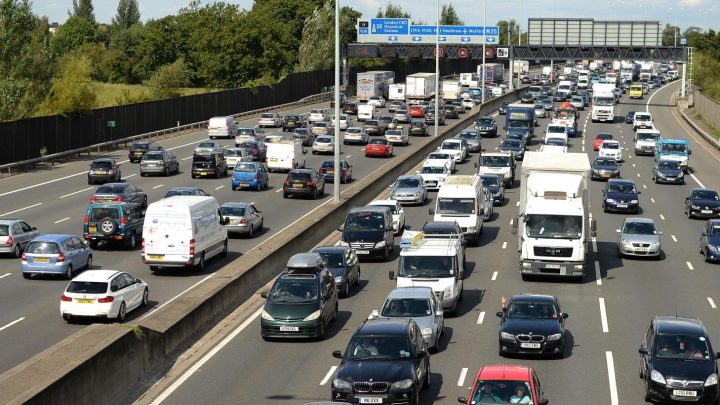
Driving “zones” are the new traps for motorists, one rental company has warned.
Drivers entering the wrong zone without paying could face penalties ranging from £60 to £180, with repeat Scottish LEZ offences rising as high as £480
British motorists are being warned not to assume the UK’s growing number of low-emission and road-charging zones all operate under the same rules, as confusion could leave them facing multiple daily charges and penalties of up to £480.
ULEZ, LEZ, CAZ, ZEZ and the Congestion Charge may sound similar, but they cover different vehicles, operate at different times and carry substantially different charges and penalties.
The differences are particularly important for motorists travelling between cities, as a vehicle that can enter one area for free could be charged or prohibited from entering another.
Majid Ismailzada, CEO of PCO vehicle rental company GM Direct Hire, says even experienced professional drivers must check individual schemes before beginning a journey. “One of the biggest mistakes drivers make is assuming that all clean air zones work in roughly the same way,” says Majid.
“They see a sign containing the words ‘low emission’ or ‘clean air’ and assume there will be a standard national charge. In reality, the amount you pay, the vehicles covered and what happens when you fail to pay can change completely from one city to another.”
1. Ultra Low Emission Zone: £12.50 a day, with a £180 penalty
London’s Ultra Low Emission Zone, commonly known as ULEZ, covers all London boroughs and operates 24 hours a day, every day of the year except Christmas Day.
Drivers of cars, smaller vans, minibuses and motorcycles that do not meet the required emissions standards must pay £12.50 for each day they drive within the zone.
Failing to pay the charge can result in a £180 Penalty Charge Notice, reduced to £90 when paid within 14 days. The ULEZ charge is separate from the Congestion Charge and any applicable tunnel charges.
Majid says: “Paying ULEZ does not automatically cover every other London driving charge.
Depending on where and when someone drives, they could still need to pay the Congestion Charge separately.”
2. Congestion Charge: £18 a day, or £21 when paid late
The London Congestion Charge is designed to manage traffic rather than vehicle emissions and applies within a smaller area of central London during its operating hours.
Since 2 January 2026, the standard daily charge has been £18 when paid in advance or on the day of travel. Drivers paying by midnight on the third charging day after travelling pay £21.
Private hire drivers are not automatically exempt. Electric cars, including private hire vehicles, can currently receive a 25% discount when registered for Auto Pay, while qualifying electric vans receive a 50% discount.
Failing to pay can result in a £180 Penalty Charge Notice, reduced to £90 if paid within 14 days.
“ULEZ and the Congestion Charge are probably the two schemes drivers confuse most often,” says Majid.
“A compliant or fully electric vehicle may avoid the ULEZ charge, but that does not necessarily mean it can enter central London without paying the Congestion Charge.”
3. Clean Air Zones: anything from £8 to £100 a day
Clean Air Zones, or CAZs, operate in several English cities, including Birmingham, Bath, Bradford, Bristol, Portsmouth, Sheffield and Newcastle and Gateshead.
However, not every CAZ charges the same types of vehicle.
In Birmingham, non-compliant cars, vans and taxis are charged £8 a day, while non-compliant buses, coaches and HGVs are charged £50.
In Bristol, non-compliant private cars, taxis and light goods vehicles are charged £9 a day.
HGVs, buses and coaches face a £100 daily charge.
Some other zones only charge commercial vehicles, taxis, buses, vans or HGVs, meaning private cars may enter without paying.
Where a CAZ charge is not paid, councils can generally issue a £120 Penalty Charge Notice, usually reduced to £60 if paid within 14 days. The original daily charge may also remain payable. Bristol, for example, adds the outstanding £9 or £100 charge to the penalty.
Majid says, “Drivers cannot look at what happened in Birmingham and assume Bristol, Portsmouth or Newcastle will apply the same rules. For professional drivers, the vehicle classification is especially important. A private car may be exempt in a particular city while a taxi or private hire vehicle using the same road may be charged.”
4. Scottish Low Emission Zones: no daily payment option and penalties up to £480
Low Emission Zones operate in Glasgow, Edinburgh, Dundee and Aberdeen.
Unlike London’s ULEZ and many English Clean Air Zones, Scotland’s system does not allow drivers of non-compliant vehicles to pay a daily fee to enter.
Instead, entering a Scottish LEZ in a non-compliant vehicle can result in an initial £60 penalty, reduced to £30 when paid within 14 days.
The penalty doubles each time the same vehicle enters the same LEZ within 90 days. For cars and light goods vehicles, repeat penalties can rise to a maximum of £480. The maximum is £960 for minibuses, buses, coaches and HGVs.
“This is one of the most expensive misunderstandings a driver can make,” says Majid. “Someone used to London may assume they can enter and pay later, but Scotland’s LEZs do not operate as daily charging zones. A non-compliant vehicle should not enter unless an exemption applies.”
5. Oxford Zero Emission Zone: charges from £2 to £10 a day
Oxford currently operates the UK’s best-known Zero Emission Zone pilot.
Charges apply between 7am and 7pm, seven days a week, and are determined by the vehicle’s emissions.
Zero-emission vehicles pay nothing. Ultra-low-emission vehicles are charged £2 a day, qualifying low-emission vehicles pay £4, and vehicles that do not meet those standards pay £10.
Failing to pay can result in a £60 penalty, reduced to £30 if paid within 14 days. The penalty can increase to £90 if it remains unpaid after 28 days.
Majid added, “The phrase ‘Zero Emission Zone’ makes many people assume petrol and diesel vehicles are completely banned. Oxford’s pilot currently allows them to enter, but different charges apply depending on their emissions.”
A single journey could trigger more than one charge
Drivers should also be aware that some zones overlap or operate alongside other road charges.
A non-compliant car entering central London during charging hours could potentially face the £12.50 ULEZ charge and the £18 Congestion Charge on the same day, bringing the total to £30.50 before any other applicable road charges.
If neither charge is paid, the driver could receive separate penalty notices.
Majid says: “Drivers often treat these schemes as though they are one payment system, but they are separate. The safest approach is to check the registration number against the official scheme before travelling and then confirm whether any additional congestion, tunnel or local road charges apply.”
Five checks to make before entering an unfamiliar city
Majid recommends that motorists:
- Check whether the zone covers private cars, taxis, vans or only larger commercial vehicles.
- Enter the vehicle registration into the official government or local authority checker.
- Confirm the zone’s operating hours, as some operate continuously while others only apply during the daytime.
- Check whether more than one charge applies to the journey.
- Pay through an official government, council or Transport for London service rather than an unofficial payment website.
