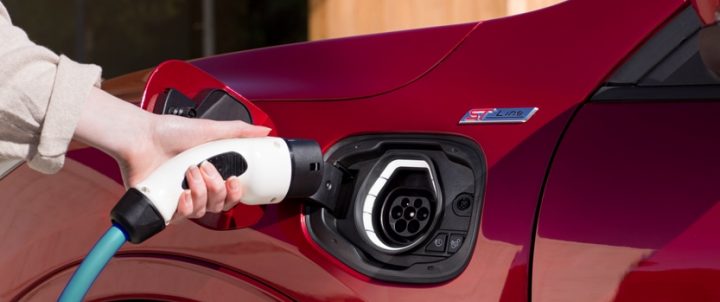
Only two-fifths of drivers (39%) think an electric vehicle would be cheaper to run than a petrol or diesel car, despite EVs being the cheapest fuel type to run on a per-mile basis in 2026.
Research from Motorpoint, based on a survey of 2,000 car owners, found that misconceptions around the cost of EVs are holding car owners back from making the switch, with only a third of motorists believing an EV would suit their lifestyle.
RAC data shows that, even before the latest fuel price rises, petrol and diesel cars were already more expensive to run than EVs, showing a clear gap between perception and reality.
Motorists said home charging access is slowing EV adoption. The survey data found that almost a quarter of petrol and diesel motorists (23%) believe they couldn’t install an EV charger at home.
This broadly tallies with the one-third of car owners (35%) who don’t have off-road parking. More charging support and infrastructure is needed to help these drivers make the switch.
From the research, car owners say that government action could help close the gap. When asked how they could encourage them to go electric, the top three incentives were:
- Improve public charging infrastructure (40%)
- Greater financial support for home-charging installation (36%)
- More financial incentives such as grants and tax credits (34%)
The Government already offers grants towards EV purchase prices and charger installation costs, but it’s clear that motorists – especially those without off-street parking – need more support to swap over to EVs.
Mike Vousden, EV expert at Motorpoint, said, “Our research shows that the only thing stopping lots of drivers from switching to an EV is outdated information. We can see the needle moving slowly, but it’s important to keep improving public and at-home charging options to help more drivers swap to an electric car.
“Our research shows a 29% rise in non‑EV drivers planning to make their next car an EV over the last 12 months – and this was before the recent rise in fuel prices, which may further incentivise drivers to switch.
“As motorists continue to get more clued-up on EVs, this will help dispel some of the misconceptions that might’ve been putting them off.”
