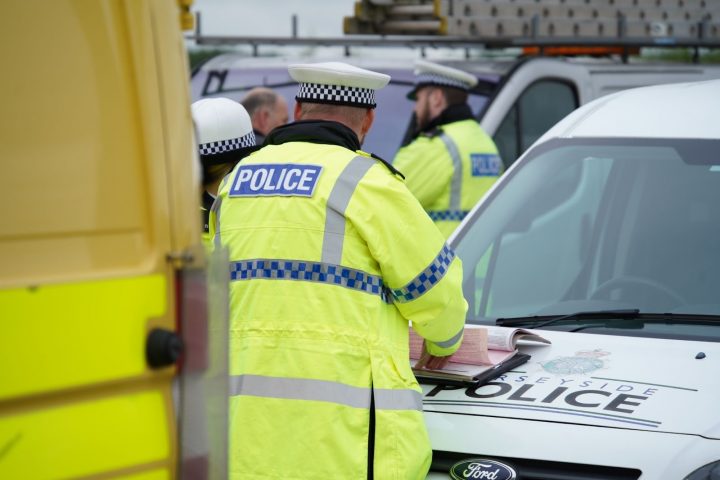
A new nationwide crackdown on illegal number plates will target drivers who dodge fines and organised crime gangs as the Department for Transport funds a new roads policing team.
The National Roads Policing Coordination Centre (NRPCC) will bring together police forces from around England & Wales to share intelligence, improve collaboration and make better use of data.
This includes trialling new technology, for example, specialised goggles that can detect number plates where criminals have tried to make them unreadable by cameras.
Illegal number plates are often used for criminal activity to evade speeding, parking or clean air zone penalties and are frequently used for organised crime, including moving illegal goods on the road network.
Vehicles that hide from number plate recognition technology are harder for police to track down when they are stolen or linked to organised crime and other serious offences like speeding or not having insurance.
Being able to better detect these illegal number plates will mean police are able to track down criminals quicker and so will not only make the roads safer, but reduce crime on our streets too.
The government is also looking to go even further through its Road Safety Strategy, the first in over a decade, which aims to save thousands of lives. The strategy has already consulted on stronger penalties for drivers using illegal number plates, reviewing number plate standards and improving enforcement.
Illegal number plates can come in many forms, including:
- cloned plates, where a vehicle carries a copied registration belonging to another legitimate vehicle, making it harder to identify
- ‘ghost plates’, where a transparent film is used to make the registration undetectable to cameras
- missing plates, where a car has no number plate at all
Drivers using an incorrectly displayed number plate can be fined up to £1,000.
Illegal number plates are not a victimless offence. They are used by criminals to avoid detection, move illegal goods and stay one step ahead of law enforcement.
This builds on work from DVSA and DVLA, which are working closely with police to improve how illegal number plates are identified and enforced against them.
This includes supporting investigations into businesses involved in the illegal supply of number plates and supporting the police in roadside operations.
