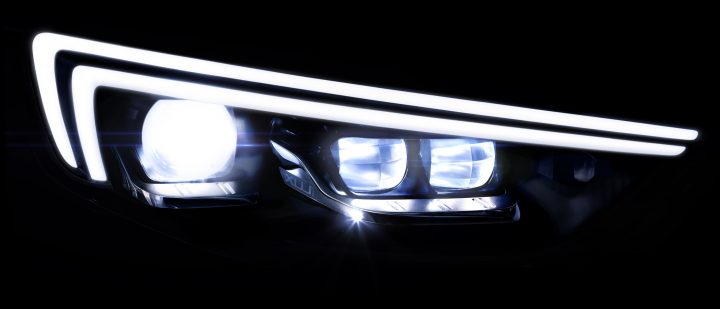
Some 96% of drivers say some or most vehicle headlights are too bright, as motorists prepare for darker journeys after the clocks go back on Sunday.
To help car owners reduce the chance of dazzling other road users and risking a fine of up to £5,000, Motorpoint’s resident motoring expert, Tim Rodie, shared his advice, “Headlight glare happens when a vehicle’s main lights give off a blinding brightness. It’s more of an issue from October to March, when a lot more journeys take place in the dark.
“Using your main beam improves visibility when driving on unlit roads, but it should only be used when the road ahead is clear. It can be dangerous to use your main beam when other drivers are around, and you could cause accidents. Motorists who dazzle other road users are at risk of fines up to £5,000, so it’s best to keep your headlights dipped on main roads.”
Avoid blue-white LED headlights
“Many newer UK cars are fitted with LED headlights as standard because they offer improved visibility and last longer than traditional halogen bulbs. If you’ve had aftermarket LED bulbs fitted, make sure they comply with UK regulations.
“Even though all bright headlights could glare other road users. It takes our eyes longer to recover from blue lights, which could mean you’re temporarily driving with impaired vision. To be legal on the road, bulbs should emit mainly a white or yellow light.
“If you’ve had your car fitted with aftermarket LED headlights and think they could be giving off a blue-white light, they might not be road safe. I’d recommend getting them checked at a garage to make sure you aren’t leaving yourself at risk of being fined up to £1,000 for having lights that don’t meet official European standards. It’s also crucial that your headlights are correctly aligned.”
“When driving at night, I’d recommend keeping your eyes well ahead and to the left. Make sure you can see the white line markings on the left-hand edge of the road. This should help reduce the impact of glare from oncoming traffic.
“To reduce glare from cars behind you, check whether your rear-view mirror has a glare-prevention setting. You can usually find a manual tab at the bottom of the mirror if it doesn’t have an automatic dimming function. It’s a handy setting that can make night driving more comfortable.”
You can read more here:
Nick Hanley, Managing Director at EasiHire, has also urged drivers to prepared themselves and their vehicles for the longe hours of darknewss.
“The clocks changing is a timely reminder that driving conditions can change considerably as we head into autumn and winter. Darker journeys, reduced visibility and wet or slippery roads mean drivers need to think carefully about how they adapt to the conditions around them,” he said.
As daylight hours decrease, Nick recommends the following steps to help drivers stay safe:
-
Get your eyesight checked: Drivers should arrange regular eye tests and make sure they wear any prescribed glasses or contact lenses when driving. If you notice changes to your vision, seek professional advice rather than waiting for your next routine appointment.
-
Check your lights and windscreen: Make sure all headlights, rear lights, brake lights and indicators are working properly. Keep windows, mirrors and windscreens clean and clear to maximise visibility, particularly during darker morning and evening journeys.
-
Adapt your speed to the conditions: Wet roads, glare from headlights and reduced visibility can make it harder to spot hazards and stop safely. Leave a greater stopping distance, slow down when necessary and avoid sudden braking or acceleration.
-
Be aware of your surroundings: Take extra care around pedestrians, cyclists and other road users, particularly near schools, residential streets and poorly lit roads. Younger drivers should avoid distractions and resist pressure from passengers, while all motorists should remain alert to changing conditions.
-
Make sure your vehicle is winter-ready: Check tyre condition and pressure, screenwash levels, wipers and your battery before the colder weather sets in. If driving a hire vehicle, familiarise yourself with its controls and check that it is roadworthy before starting your journey.
