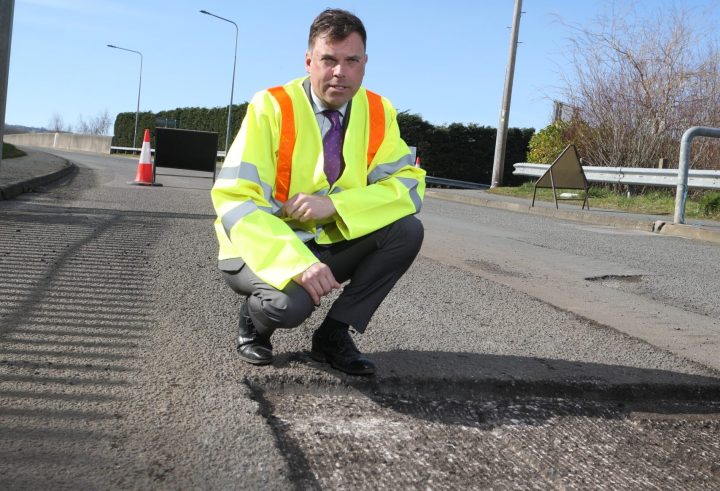
This summer’s heatwaves and record temperatures are likely to cause already poor road surfaces to break down further, creating even more potholes, warn the RAC.
Intense ultraviolet (UV) radiation from the sun chemically ages the bitumen used to bind aggregates together to create roads.
This – combined with roads absorbing even greater heat from the sun – speeds up the oxidation process causing asphalt to become brittle and crack as it cools. The RAC likens this to the way sunlight dries and cracks old paint or rubber.
RAC head of policy Simon Williams said, “As UV and heat oxidise the bitumen binder in asphalt, it becomes harder and less flexible which leads to cracking. Then water penetrates cracks and as vehicles drive over them, the surface breaks and potholes start to appear. This is the last thing our already fragile roads needed.”
The RAC said the majority of drivers (83%) say they encounter potholes on most trips they make by car, and more than half (54%) come across potholes on every trip. But the research also found it’s very common for drivers to be forced to take some form of evasive action when they encounter a pothole. Among drivers who frequently encounter potholes, 58% say they have to make an effort to avoid them on every trip, while a further 37% have to do so on most trips.
And, even prior to this summer’s incredibly hot weather, a third of drivers (34%) surveyed for the report said they had experienced vehicle damage caused by poor road surfaces, up from 29% in 2025. RAC data shows that anything more serious than a puncture is likely to cost drivers up to £590.
Simon Williams added, “Potholes are often associated with cold or wet winters, but prolonged periods of hot, sunny weather also takes its toll on the roads. Intense UV exposure and heat gradually oxidise the bitumen that binds asphalt together, making surfaces more brittle and prone to cracking. Once cracks develop, traffic and later rainfall can quickly turn them into serious defects.
“There’s nothing that irritates drivers more than potholes, something that research for the RAC Report on Motoring has once again found. Drivers’ strong feelings about the poor quality of the UK’s roads are a reflection both of a long-term lack of investment in road maintenance and repair by local authorities, and of the road surface issues exacerbated by a particularly wet winter, and now an extremely hot summer.
“Fortunately, the Government has increased its efforts to address the problem. Council highway budgets in England have been increased to a record £1.6bn for 2025-26 and in November’s Budget, £7.3bn was allocated for road improvement works between now and the end of the decade which will allow councils to make long-term maintenance plans.
“After the exceptional heat of this summer it’s even more important that we maintain our roads properly. We need to be surface dressing roads still in reasonable condition to keep them that way. This involves spreading chippings on to fresh bitumen binder and sealing them against the ingress of water, which is the enemy as it leads to cracking and potholes.
“Hopefully, more of this vital preventative maintenance work will have been carried out from April to September as it’s badly needed to improve our roads for the long term.”
Mike Hansford, chief executive of the Road Surface Treatments Association, added, “Extremes in the UK’s weather, including increased summer UV radiation, combined with colder, wetter winter conditions, can accelerate deterioration. So, it’s more important than ever to ensure our roads are made more resilient for the future through application of early life, preventative treatments.
“It’s therefore disappointing that the Road Emulsion Association reported a 6% drop in the use of surface dressing in the first quarter of this year, compared to the same time last year.
“The industry has responded to these extremes in our weather, through further modification of the binders used in these treatments, which makes them more resistant to both summer and winter extreme temperatures.”
Cormac Teckal and Cornwall Council have pioneered an intensive survey system for the county’s 7,300 km of roads and aims for a first-fix delivery through warm mix asphalt, increased recycled material use, trials of low-carbon binders and lignin, reduced verge cutting, wildflower programmes, drone and smart monitoring surveys, solar-powered road safety technology. This is being put forward as the model for all other authorities to prevent the serious deterioration of roads and greater expense.
