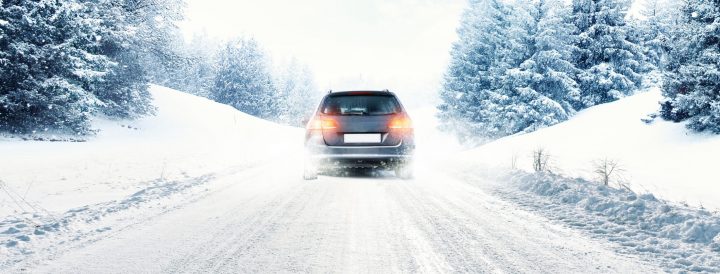
Over 1.2 million vehicle breakdowns are expected to occur during the coldest months – the equivalent of 9 breakdowns a minute.
James Harding, a tyre specialist with 15 years of experience at Blackcircles has revealed the top five most common car issues drivers face during the winter months.
1. Weak or failing batteries
“Cold temperatures significantly reduce a battery’s ability to hold a charge, making battery failure one of the most frequent winter breakdowns. For hybrids and EVs, the risks are even higher, and attempting to jump-start the vehicle yourself can be extremely dangerous. High-voltage systems can cause serious damage to the car and pose an electrocution risk to the vehicle’s owner, making expert mechanical support essential. It’s also worth noting that replacing your battery yourself could also invalidate your car’s warranty if it isn’t done correctly.”
2. Tyres losing pressure or failing to grip
“Tyre pressure naturally drops in cold weather, which can lead to tyres being underinflated, wearing unevenly, and reduced grip on wet or icy roads. Drivers should frequently check their tyre pressure during the winter months to ensure it’s always at the appropriate level. Winter often exposes tyres to worn tread and sidewall issues, making them one of the main parts of the vehicle to struggle in low temperatures.”
3. Wiper blades cracking or smearing
“Wipers are put under more strain in winter due to frost, grit, and more frequent wet weather. Cold conditions make the rubber in wiper blades more brittle, potentially causing cracks in your windscreen, streaking, and reduced visibility through the windscreen. Poor wiper performance can quickly become a safety hazard, especially in winter driving conditions when visibility is already low.
“Those driving with a dirty windscreen can be at risk of a fine of up to £1,000, potential points on your driving license or even your car failing its MOT, as The Highway Code requires your windscreen and windows to be clean and free from any obstructions.”
4. Brakes wearing faster in harsh conditions
“Brakes also take a hit during winter due to the impact of salt and moisture from the roads, as well as the cold weather, which contributes to reduced braking efficiency. There is often an increase in worn brake pads, sticking callipers, and rusted brake discs at this time of year. Drivers also tend to brake more frequently on slippery roads, which accelerates the wear.”
5. Frozen fluids and malfunctioning sensors
“The winter months can trigger vehicle dashboard warnings related to frozen washer fluid, blocked sensors, low coolant, or malfunctioning tyre pressure monitoring systems. Ice, dirt, grit salt, and contaminated fluids on the road often make these issues more common at this time of year.”
James added, “Winter puts vehicle parts under extra strain, and many of the issues above can be prevented through regular servicing, MOTs, and winter-specific vehicle checks. Ensuring that your vehicle’s tyre tread depth, brake condition, battery health, and fluid levels are all up to standard is the most reliable way to avoid a breakdown when temperatures drop in the colder months.”
