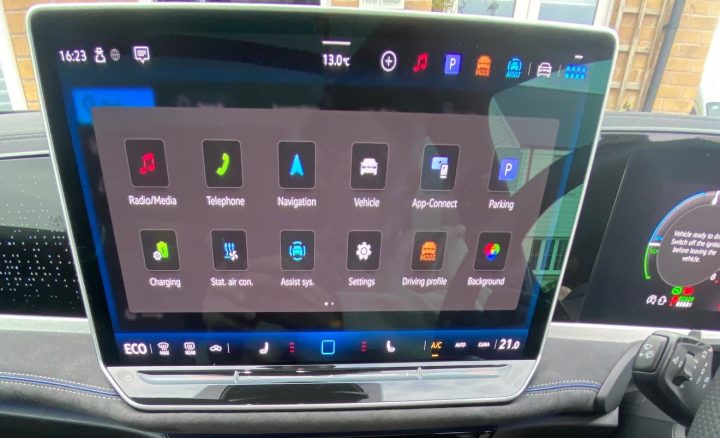
For a growing number of drivers, the most frustrating part of their car isn’t under the bonnet, it’s the infotainment system.
And this frustration is now widespread enough that Euro NCAP has acted, updating its 2026 safety rating criteria so vehicles can no longer earn the highest ratings without physical controls for functions including indicators, hazard lights, and wipers.
A survey of Vertu technicians and aftersales managers found that 64% of respondents identified infotainment systems as the most common customer complaint.
In fact, nearly half (46%) named gesture controls as the most problematic heavily marketed feature, while 35% pointed to built-in satellite navigation.
Matt Salisbury, Senior PR Lead at Vertu, explained how drivers can avoid buying a car with a frustrating infotainment system, “One of most common frustrations that our technicians report back from customers isn’t about to do with the engine or the bodywork on their cars as you might expect – it’s their infotainment system.
“People report annoyance with the screen being slow to respond, the menus not making sense, or their phone not connecting properly. When you think about it, the infotainment system is arguably the most commonly used feature on a car so if it doesn’t work the way a person expects, it affects how they feel about the whole car.
“Modern infotainment systems can do more than ever, and for most drivers, they work well once you’ve spent time getting familiar with them. But the more a system can do, the more important it is to test it properly before you buy. A touchscreen and gesture controls can feel very different on a test drive than they did during a quick look in the showroom.
“My advice to anyone buying a car would be to spend proper time using the infotainment before you commit. Don’t be afraid to connect your phone, adjust the heating, and try the volume while in the showroom or on a test drive. This will give you an insight into whether the controls feel intuitive enough for your daily commute or any longer journeys.”
