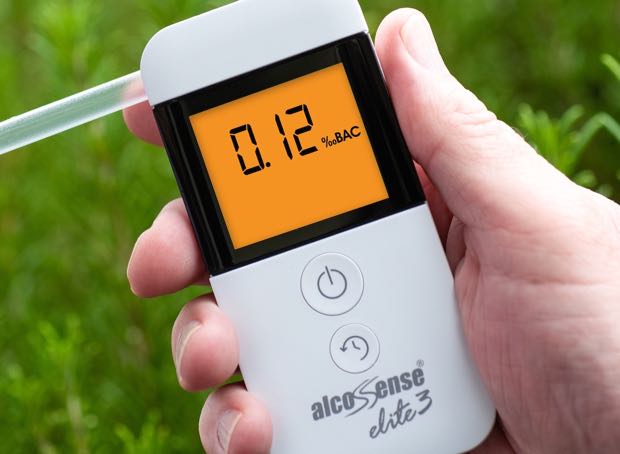
Football fans watching England’s World Cup semi-final against Argentina are being warned they could still be over the drink-drive limit when they get behind the wheel on Thursday morning.
With pubs allowed to stay open until 1am following tonight’s match, road safety campaigners say many supporters may underestimate how long alcohol remains in the body.
The warning comes as pubs are expected to pour around 14 million pints during England’s clash with Argentina – 6 million more than an average Wednesday in July.
The match kicks off at 8pm and, if it goes to extra time or penalties, could continue beyond 11pm. Many supporters may then carry on drinking before pubs close two hours later.
A fan consuming five pints of medium-strength beer or lager at 4% ABV during the evening could still have alcohol in their system until around lunchtime on Thursday.
Five pints can take around 12 or 13 hours to clear from the body, although this varies according to factors including weight, sex and drinking pattern.
Hunter Abbott, Managing Director of personal breathalyser firm AlcoSense, said, “After such a huge match, fans may stay in the pub celebrating or commiserating long after the final whistle.
“The danger comes the following morning, when people assume that a few hours’ sleep, a shower or a cup of coffee means they are safe to drive.
“None of those things removes alcohol from the body. Only time does, and the amount of time needed varies from person to person. If drinking continues later into the night, that pushes further back the point at which the alcohol will finally clear.”
An infographic produced by AlcoSense shows the estimated time taken for different alcoholic drinks to clear from the body.
The company said many motorists remain unaware that alcohol can impair driving ability even when they are below the legal drink-drive limit.
An AlcoSense poll found that more than a third of people – 36% – believe their ability to drive is only impaired if they are actually over the legal limit.
However, research shows drivers are 13 times more likely to be involved in a fatal crash at the current legal limit in England and Wales than when completely sober.
Even at just 10mg of alcohol per 100ml of blood – one eighth of the legal limit – the risk of a fatal collision is around 37% higher than for a sober driver.
The latest Department for Transport figures show that 260 people were killed in drink-drive crashes in 2023, while 6,310 people were killed or injured in incidents involving motorists over the legal alcohol limit.
Mr Abbott added: “Even small amounts of alcohol slow reaction times, impair judgement and reduce concentration and co-ordination.
“Whether you are driving to work, taking the children to school or making any other journey on Thursday morning, don’t rely on how you feel.
“If there is any doubt, don’t drive – or use a personal breathalyser to check you are clear before getting behind the wheel.”
