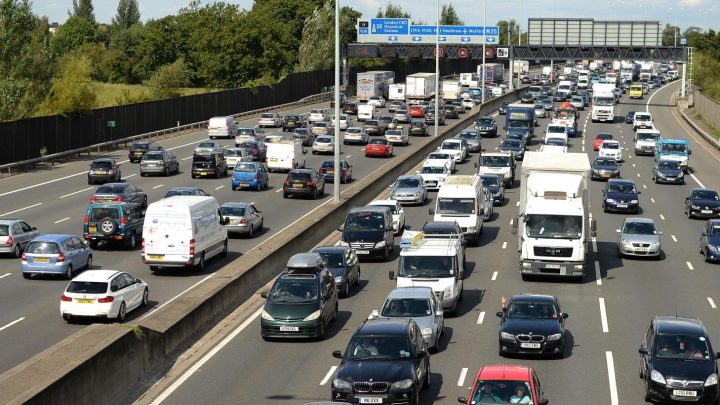
The Government is initiating a new series of HGV tests to reduce serious injuries and death involving car drivers going into the back of trailers and lorries.
National Highways has initiated a series of crash tests after identifying a serious risk on England’s motorways and major A-roads after initial tests found existing designs did not always work in some cars equipped with radar detection equipment and lorries under-run bars failed to stop a rear end shunt.
HGVs made up 10% of traffic on England’s motorways and major A‑roads in 2024, yet they were involved in 19% of collisions where people were killed or seriously injured, according to official figures.
Rear-end shunts were the most common incidents, accounting for 39% of all HGV-related collisions in 2024.
In the same year, 160 collisions involved a smaller vehicle hitting the rear of a HGV, with 18% of all serious or fatal HGV-related casualties resulting from this type of collision.
Rear under-run devices approved to the UNECE regulation were crash-tested and compared with similar tests carried out in the United States.
The testing highlighted how important rear underrun protection is in reducing the severity of rear-end collisions.
However, some existing designs did not prevent the cars from going underneath the trailers with possible severe injury for vehicle occupants.
Roads and buses minister Simon Lightwood said, “Every death on our roads is a tragedy, which is why I am pleased to see National Highways taking the initiative with this vital research.
“This will go hand in hand with our road safety strategy – the first in over a decade – as part of our commitment to cut deaths and serious injuries on our roads by 65% by 2035.”
British crash testers will work with counterparts in Sweden and Germany to come up with solutions to the issues initially found.
