The escalating conflict in the Middle East has put $100-per-barrel crude oil prices into sharp focus.
Analysts from major institutions such as Barclays, Goldman Sachs, and JPMorgan are projecting potential spikes to $100-130 per barrel if the Hormuz Strait faces prolonged disruptions, as it handles about 20-21% of global oil supply and significant LNG flows.
Even short-term oil tanker route closures or increased shipping insurance risks could initially push Brent crude toward $80-90, with extended scenarios risking a 1970s-style energy shock and triple-digit prices.
Oil Tankers are already avoiding the area due to VHF warnings from Iran’s Revolutionary Guards, insurer pullbacks, and surging war-risk premiums—effectively creating a de facto slowdown without physical blockades, as yet. We hear that at least one Oil Tanker has already been attacked.
As of February 27, 2026, Brent was trading around $72-73 per barrel, up sharply in recent weeks, but markets are bracing for further gains when trading resumes.
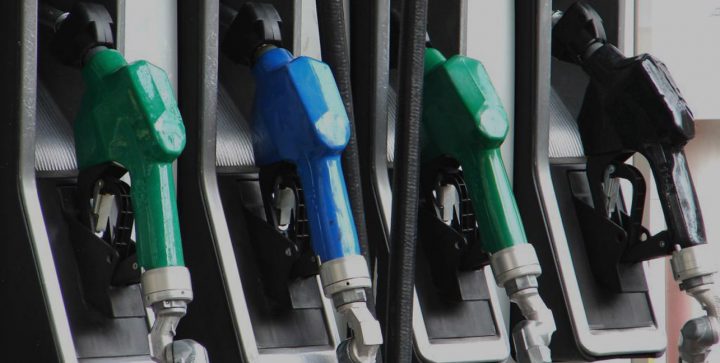
Regarding UK petrol and diesel pump prices, the impact is likely to be substantial but not immediate or directly proportional to crude price spikes, due to factors such as fixed taxes, refining margins, exchange rates, and retailer competition. Crude oil constitutes roughly 30-40% of the final pump price in the UK, with fuel duty (52.95p per litre) and VAT (20%) accounting for over half.
A sustained rise in Brent to $100 could add 10-20p per litre to petrol and diesel within weeks, based on historical patterns—similar to the surges seen in 2022 when oil hit $120 amid the Ukraine invasion. Brent crude spiking to $80-90 will add 5-10p per litre.
Diesel, as usual, will see sharper increases due to higher retailer margins and the traditional fuel supply chain oil profiteering seen in recent years (up to 13p/litre above historical averages in 2023), while a likely weakening pound against the dollar (as oil is dollar-denominated) would amplify costs.
Broader effects include inflationary pressures (adding 0.6-0.7 percentage points globally if oil hits $100), higher transport costs, and risks to economic growth, though UK-specific forecasts depend on the duration of a Middle East crisis.
By-pass routes such as Saudi/UAE pipelines can handle only circa 3 million barrels/day, far below the strait’s 20 million, so prolonged issues on this route could exacerbate shortages and rocket pump prices.
Howard Cox, Founder of FairFuelUK, said, “In light of the ongoing crisis in the Middle East, Rachel Reeves must declare in her Spring Statement that Fuel Duty will remain frozen for the duration of her Parliament and cancel any planned increases in the Autumn Budget.
“This move would not only be economically prudent—stimulating GDP growth and alleviating inflationary pressure—but it would also provide some much-needed political relief to this government, known for its frequent U-turns.
“The critical point for all UK politicians to consider is that had the North Sea oil and gas fields been permitted to ‘drill-baby-drill’, our pump prices would not, once again, be so vulnerable in the long term to any conflict in the Middle East.”
