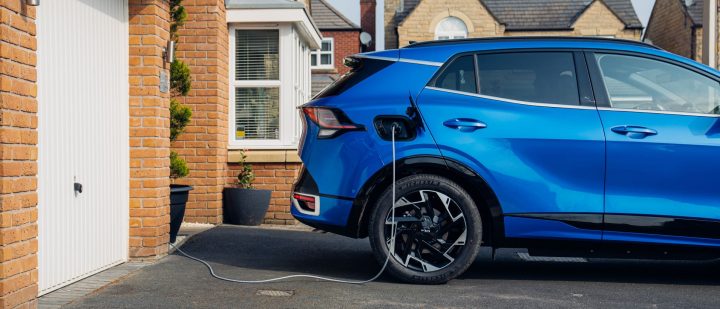
Six out of 10 dealers (60%) say funding for free or low-cost home chargers would be the most effective government boost to used electric car sales.
February’s Startline Used Car Tracker also shows 52% back low or zero interest loans, 52% schemes to make charging available for those without space for a home charger and 50% grants that reduce the purchase price.
Furthermore, 42% want to see subsidies on power to ensure low-cost home charging, 26% underwriting of residual values to make PCPs and personal leasing cheaper, and 23% removal of the pence-per-mile eVED road tax planned for 2028.
Paul Burgess, CEO at Startline Motor Finance, said, “With larger volumes of electric stock appearing on the market every day, there have been persistent demands from the motor trade for help from the government to support used electric car sales and we wanted to build a more detailed picture of which measures retailers thought would be effective.
“The top answer is a free charger and, at a typical cost of around £700-£1,500, this could prove to be a cost-effective solution. Of course, some targeted help is already available for charger fitting, but it is quite specific and not as generous. Plus, it doesn’t have the simple and effective appeal of knowing the government will supply your charger for nothing.”
He added, “There is also a wide range of support among dealers for other measures. Overall, the picture that emerges is they simply want help to make buying an electric car more financially attractive and charging it easier and lower cost.”
The Startline Used Car Tracker also asked dealers what level of government grant they thought would be needed to persuade the buyer of a £15,000 used car to choose electric over petrol, diesel or hybrid alternatives. The most popular answer was £1,500, mentioned by 39%, although 26% believed that £2,000 would be required.
“This is a fairly typical price point for a used electric car at the moment and from a policy point of view, the important finding is perhaps the cost of an effective subsidy is higher than that of fitting a charger. Overall, government resources might be better directed towards free chargers than discounting the price of the car.”
