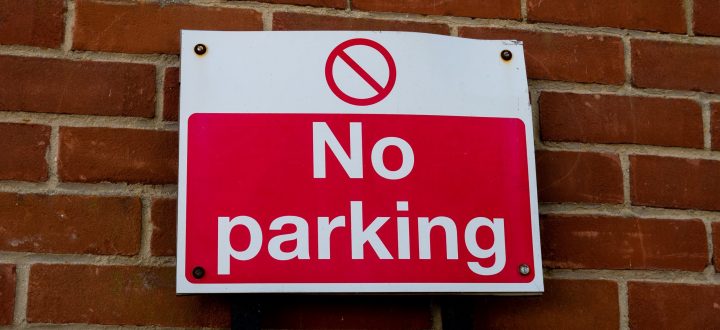
Drivers will be banned from pavement parking by local council legislation under plans being considered by the Welsh Government.
The new legislation in Wales forms part of discussions Welsh Government is having with the UK Government and which was announced earlier this month.
Wheelchair users and parents with push-chairs as well as visually handicapped people will benefit from new local powers being made available to local leaders across England to introduce pavement parking restrictions across their area, helping keep them clear and accessible for everyone who uses them, while allowing exemptions where needed.
Blocked pavements can create serious barriers for parents with pushchairs, wheelchair users, blind and partially sighted people and older people, limiting independence and making everyday journeys harder and less safe.
Following a public consultation, the Department for Transport has confirmed that local leaders will be given new and improved legal powers to make it easier to restrict pavement parking across wider areas, rather than relying on the previous approach, where action is often limited to individual streets and requires lengthy, complex processes.
Local leaders know their streets best and are best placed to respond to local needs. Under the new approach, local leaders will be able to decide to take action on pavement parking in their area, and they will retain flexibility where they deem pavement parking may still be acceptable.
Now a Welsh Government spokesman confirmed it is working with London to apply the proposed new legislation in Wales with pavement parking laws devolved to councils.
The move might save motorists hundreds of pounds in repair bills for damaged or broken wheels and tyres, says Chris Jevons, at specialist company JTape.
He said, “Even when pavement parking seems convenient, it can cause significant and costly damage to your car. Scraping wheels against the curb, also known as curb rash, can damage alloys, while mounting curbs can lead to tyre issues, such as sidewall bulges or cuts from uneven pressure.
“Repeatedly driving onto high curbs may strain the suspension system, causing long-term damage, and uneven parking surfaces can knock the wheel alignment out of balance, leading to uneven tyre wear. Parking half on/off the curb also increases the risk of scratches or damage to your vehicle and can obstruct the walkway, creating inconvenience for both pedestrians and other road users.ents.”
